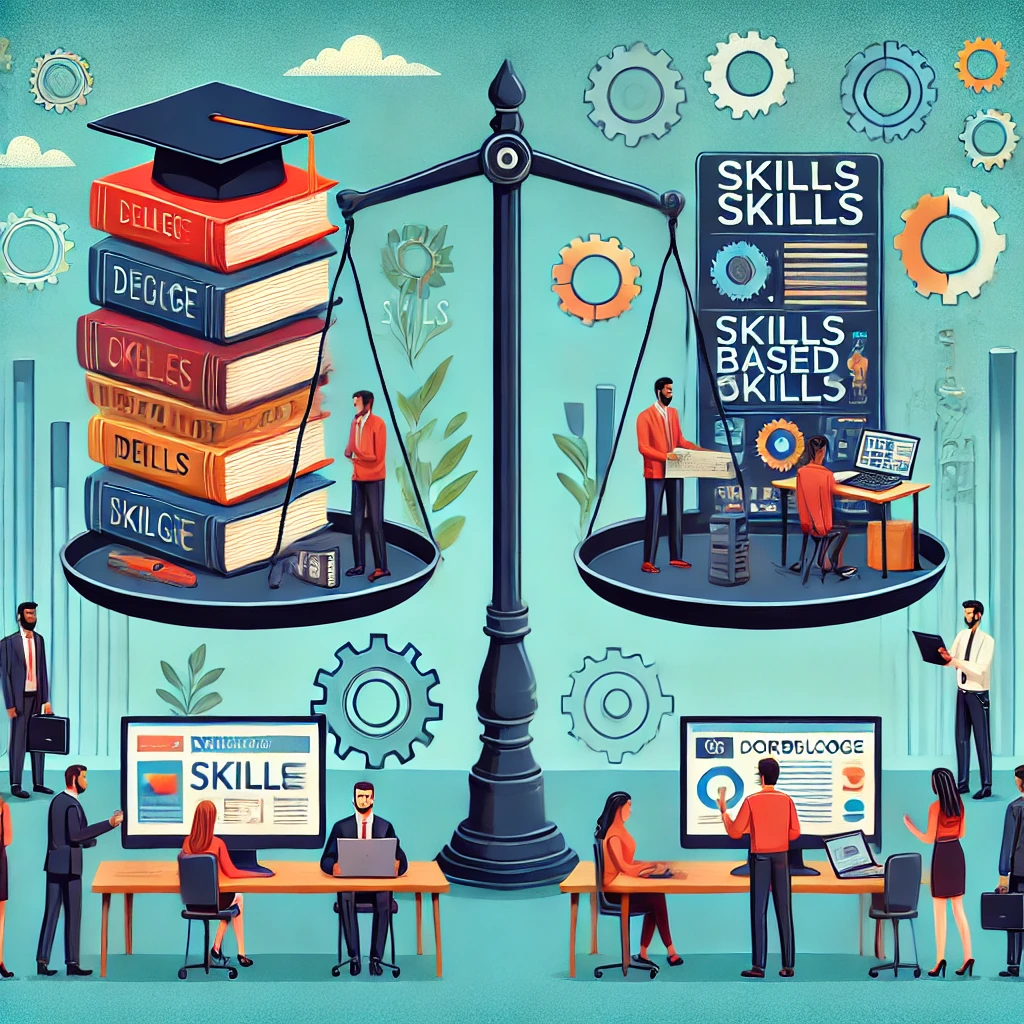
The relentless march of artificial intelligence (AI) into the professional realm is no longer a futuristic fantasy but a present-day reality, reshaping industries and fundamentally altering the very fabric of employment. This transformative integration presents a dichotomy: on one hand, unprecedented efficiency and innovation; on the other, profound questions about job security, skill relevance, and the future of human labor. A critical examination of the AI impact on jobs reveals not merely a threat of displacement, but a complex interplay of destruction and creation, demanding a nuanced understanding and proactive adaptation. The prevailing narrative often fixates on job loss, yet a deeper analysis uncovers the emergence of new opportunities and the imperative for a redefined human role in an increasingly automated world.
The Inexorable Rise of Artificial Intelligence in the Workplace
The integration of artificial intelligence into daily work processes has accelerated dramatically, moving beyond experimental phases into widespread application. AI systems are now embedded in various operational facets, from optimizing supply chains to personalizing customer experiences. This pervasive adoption is driven by AI’s capacity to process vast datasets, identify patterns, and execute tasks with speed and precision far exceeding human capabilities.
Automation Beyond Repetitive Tasks
Initially, automation primarily targeted routine, repetitive tasks, such as assembly line work or data entry. However, modern AI, particularly machine learning and natural language processing, has expanded its reach significantly. AI-powered tools now perform complex analytical tasks, generate content, and even assist in medical diagnostics. For instance, according to a 2023 report by the World Economic Forum, “Future of Jobs Report 2023”, 75% of companies are expected to adopt AI, machine learning, or big data analytics in the next five years, indicating a substantial shift in operational paradigms. This expansion redefines the scope of what is considered automatable, impacting a broader spectrum of jobs.
Data-Driven Decision Making and AI Augmentation
AI’s true power often lies in its ability to augment human decision-making rather than merely replacing it. In sectors like finance, AI algorithms analyze market trends and predict risks, providing insights that human analysts then interpret for strategic action. Similarly, in healthcare, AI assists radiologists in detecting anomalies in medical images with higher accuracy, as detailed by a 2018 study in Nature Medicine, “Deep learning for medical image analysis: a critical review”. This augmentation allows professionals to focus on higher-value tasks, fostering a collaborative environment where AI acts as an intelligent assistant, enhancing human capacity and precision.
Disruption and Displacement: A Critical Analysis of Job Loss
While AI offers significant advantages, its disruptive potential for existing job roles cannot be understated. The efficiency gains often come at the cost of human labor, leading to displacement in specific sectors and job categories. This is not a uniform impact but rather a targeted erosion of certain occupational profiles.
Sector-Specific Vulnerabilities
Certain industries are demonstrably more susceptible to AI-driven job displacement due to the nature of their work. Manufacturing, for example, has seen decades of automation, and AI continues to refine robotic capabilities, reducing the need for human operators. Administrative and clerical roles, involving data processing, record keeping, and scheduling, are also highly vulnerable. The World Economic Forum’s “Future of Jobs Report 2023” projects that approximately 83 million jobs globally are expected to be eliminated by 2027 due to technology adoption, with administrative assistants, cashiers, and data entry clerks facing significant declines. This data underscores a clear trend of AI replacing predictable, rule-based tasks across various sectors.
The Looming Threat to Mid-Skill Occupations
Perhaps the most concerning aspect of AI-driven displacement is its potential impact on mid-skill occupations. These roles, often requiring vocational training or an associate’s degree, frequently involve tasks that are sufficiently structured for AI to perform. Truck drivers, customer service representatives, and even some paralegal functions are increasingly being augmented or replaced by AI systems. The Brookings Institution’s 2019 report, “Automation and Artificial Intelligence: How machines are affecting people and places”, highlighted that routine cognitive and manual tasks, prevalent in mid-skill jobs, are particularly at risk. This creates a challenging societal problem, as these jobs have historically provided a pathway to middle-class stability for millions.
The Emergence of New Roles and Skill Demands
Despite the narrative of job displacement, AI also serves as a powerful catalyst for job creation, albeit often in entirely new domains that require different skill sets. The growth of AI technologies necessitates a workforce capable of developing, deploying, and managing these complex systems.
AI Creators and Maintainers
The burgeoning AI industry itself generates a demand for highly specialized professionals. Data scientists, machine learning engineers, AI researchers, prompt engineers, and ethical AI specialists are among the roles experiencing rapid growth. According to LinkedIn’s 2023 “Jobs on the Rise” report, roles like AI Engineer saw a 32% growth in hiring rate year-over-year. These positions require deep technical expertise in areas such as programming, statistics, and algorithm development. Furthermore, as AI systems become more ubiquitous, the need for individuals to maintain, troubleshoot, and update these systems will only intensify, creating a sustained demand for a skilled technical workforce.
Human-Centric Skills in an Automated World
Beyond technical roles, AI’s rise accentuates the value of uniquely human capabilities. Skills that are difficult for machines to replicate, such as creativity, critical thinking, emotional intelligence, complex problem-solving, and interpersonal communication, are becoming increasingly crucial. A 2023 study by Deloitte, “The Future of Work: A Global Workforce Study”, emphasizes that organizations are increasingly prioritizing these “soft skills” as automation handles more routine tasks. Workers who can leverage these attributes to innovate, collaborate, and adapt to novel situations will find themselves indispensable, working alongside AI rather than competing directly with it.
Navigating the Transition: Strategies for Workforce Adaptation
The profound shifts brought about by AI necessitate comprehensive strategies for workforce adaptation. Governments, educational institutions, and businesses all have a critical role to play in preparing individuals for the jobs of tomorrow.
Reskilling and Upskilling Imperatives
To mitigate job displacement and capitalize on new opportunities, widespread reskilling and upskilling initiatives are paramount. This involves providing existing workers with training to acquire new skills relevant to AI-driven roles or to enhance their current capabilities to work effectively with AI tools. The European Commission’s “Digital Education Action Plan 2021-2027” highlights the importance of digital skills training for all citizens. Corporations are also investing significantly; a 2021 PwC report, “Upskilling for a Digital World”, found that 79% of CEOs are concerned about the availability of essential skills in their workforce. Effective programs must be accessible, continuous, and tailored to evolving industry demands, ensuring that workers can transition smoothly into new career paths.
Policy Frameworks for an Evolving Labor Market
Governments face the challenge of designing policy frameworks that support workers through this transition. This includes rethinking education systems to emphasize future-ready skills, establishing robust social safety nets for displaced workers, and exploring innovative concepts like Universal Basic Income (UBI) or job guarantee programs. The OECD’s 2021 “Employment Outlook” report discusses the need for stronger active labor market policies and social protection systems to address the impacts of digitalization and automation. Proactive policy development is essential to ensure that the benefits of AI are widely distributed and that the societal costs of disruption are minimized, fostering a just and equitable transition.
The Gig Economy and AI: A Complex Symbiosis
The gig economy, characterized by temporary, flexible jobs, is not immune to the AI impact on jobs; in fact, it is deeply intertwined with AI’s operational capabilities. AI algorithms often power the platforms that connect gig workers with tasks, creating a unique and complex symbiosis.
AI-Powered Platforms and Worker Autonomy
AI algorithms are central to the efficiency of gig platforms, optimizing task allocation, pricing, and matching workers with demand. For instance, ride-sharing apps use AI to predict demand and assign drivers, while delivery services rely on AI for route optimization. This can offer workers unprecedented flexibility and control over their schedules, allowing them to work when and where they choose. A 2021 Pew Research Center study, “The State of Gig Work in 2021”, found that 79% of gig workers value the flexibility that gig work provides. However, this autonomy is often mediated by algorithmic management, where AI dictates tasks and performance metrics, creating a new form of oversight.
Precarious Work in the Algorithmic Age
Despite the perceived flexibility, the AI-driven gig economy also exacerbates concerns about precarious work. Gig workers often lack traditional employee benefits such as health insurance, paid time off, or retirement plans. Furthermore, algorithmic management can lead to opaque performance evaluations, arbitrary deactivations, and a lack of human recourse, as highlighted by numerous labor rights organizations. A 2020 report by the International Labour Organization, “World Employment and Social Outlook 2020: Trends 2020”, noted that the rise of digital labour platforms has contributed to the growth of non-standard forms of employment, often without adequate social protection. This raises critical questions about worker rights, fair compensation, and the need for new regulatory frameworks to protect gig workers in an AI-managed landscape.
Conclusion
The AI impact on jobs is a multifaceted phenomenon, simultaneously presenting unprecedented opportunities for innovation and efficiency while posing significant challenges to traditional employment structures. It is a crucible in which the future of work is being forged, demanding a clear-eyed and analytical approach. While automation will undoubtedly displace certain roles, it also catalyzes the creation of new professions and elevates the importance of uniquely human skills. Navigating this transformative era requires a concerted effort from individuals, educators, businesses, and governments to invest in continuous learning, foster adaptability, and develop robust policy frameworks. The objective must be to harness AI’s potential for societal benefit, ensuring a future where technology serves humanity, rather than diminishing it, thereby creating a labor market that is both dynamic and equitable.