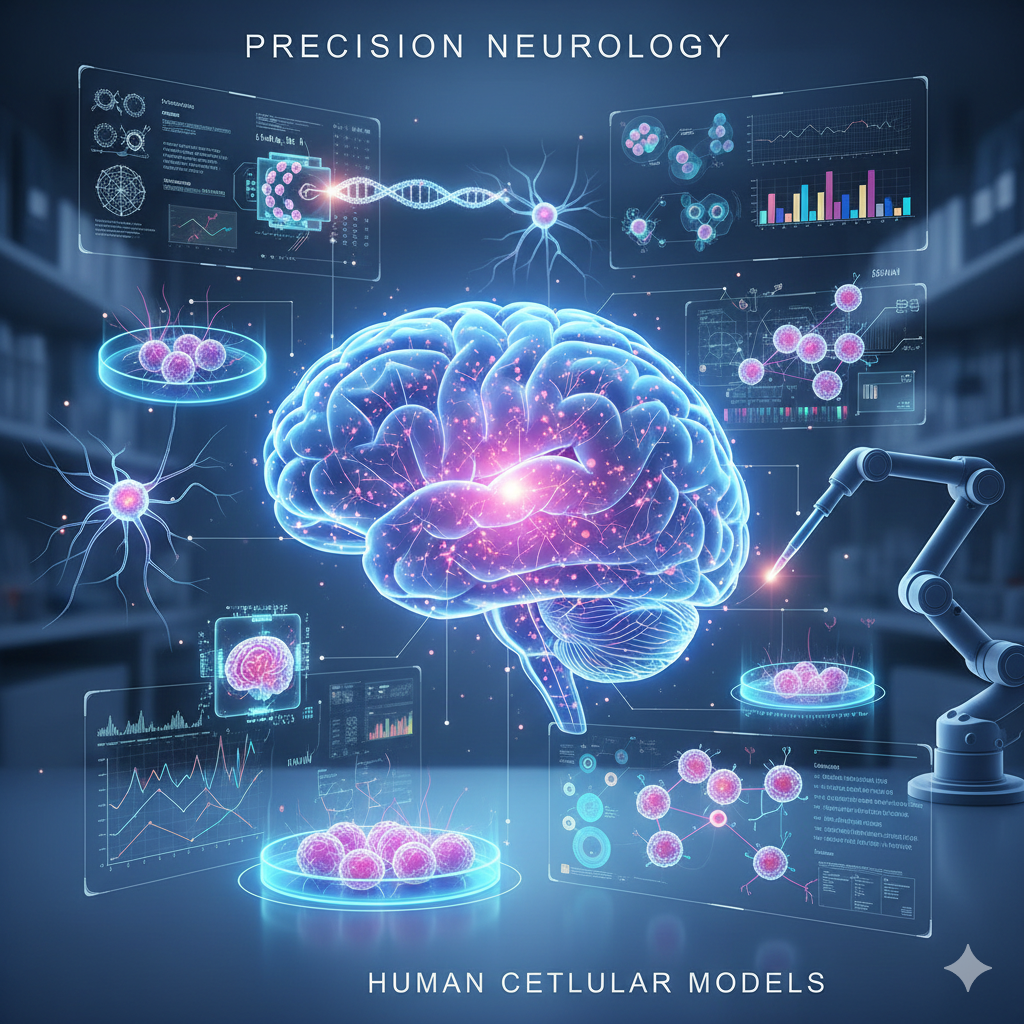
The expansion of networked technology, data driven instruction, and distributed knowledge access has accelerated structural change as Digital Learning Ecosystems Redefine Online Education Models across universities, professional training environments, and independent learning platforms. Online education is no longer defined by video lectures and remote classrooms. It is evolving into interconnected systems where content, assessment, credentialing, analytics, and learner agency operate as a unified architecture rather than isolated tools.
Platform Centered Instruction Gives Way to Ecosystem Design
Early online education replicated classroom delivery through recorded lectures and static course modules. This model digitized transmission without transforming cognition. Ecosystem based learning replaces this replication model with dynamic environments where learners navigate resources, collaborate across networks, and demonstrate applied competence.
Analyses of digital transformation in education published by EDUCAUSE Review describe the shift from course management systems to learning environments that integrate analytics, adaptive content, and external knowledge repositories. These environments function less like classrooms and more like intellectual infrastructures.
An ecosystem connects multiple components simultaneously: content libraries, communication channels, simulation tools, peer networks, and credential verification systems. Each component reinforces learning through interaction rather than sequence.
Digital Learning Ecosystems Redefine Online Education Models Through Personalization at Scale
Personalization has moved from theoretical aspiration to operational capability because digital environments collect continuous evidence of engagement and understanding.
Adaptive Systems Replace Fixed Course Paths
Algorithmic learning platforms adjust difficulty, pacing, and representation based on learner performance. This produces individualized progression without fragmenting institutional oversight.
Research summarized by Digital Promise shows that adaptive systems increase retention when feedback loops are immediate and actionable. Learners receive targeted challenges instead of uniform assignments.
Adaptive architecture also prevents knowledge gaps from compounding. When misunderstanding is detected, the system redirects learners toward reinforcement rather than allowing silent failure.
Data Informs Instructional Strategy
Learning analytics transform raw interaction data into insight about cognitive patterns. Educators analyze time on task, revision frequency, and conceptual errors to refine instructional design.
The Society for Learning Analytics Research documents how evidence based adjustments improve learner persistence and mastery by aligning instruction with demonstrated need.
Data becomes formative infrastructure rather than surveillance mechanism when tied directly to learning outcomes.
Learner Agency Expands Through Choice Architecture
Ecosystems offer multiple pathways toward equivalent competencies. Learners select resources, modalities, and collaboration opportunities aligned with their goals.
Choice increases intrinsic motivation while preserving rigor through common performance standards. This structure mirrors professional environments where individuals determine how to approach complex tasks.
Content Becomes Modular, Interoperable, and Continuously Updated

Static textbooks and closed course shells cannot match the pace of knowledge evolution. Digital ecosystems rely on modular content units that can be recombined, revised, and contextualized rapidly.
Open Educational Resources Drive Accessibility
Open content initiatives enable institutions to share and adapt instructional materials without licensing barriers. This reduces cost while expanding intellectual diversity.
Repositories curated by OER Commons allow educators to integrate peer reviewed materials into customized learning sequences, ensuring relevance without redundancy.
Open ecosystems encourage collaborative authorship, treating knowledge as iterative rather than fixed.
Microlearning Structures Align With Cognitive Science
Short, focused learning modules support retention by concentrating attention on discrete concepts applied immediately. These structures align with research on cognitive load and spaced practice.
Guidelines discussed by the International Society for Technology in Education emphasize designing digital instruction around active engagement rather than prolonged passive consumption.
Microlearning also supports lifelong learners balancing education with professional obligations.
Continuous Revision Replaces Edition Cycles
Digital materials can be updated instantly to reflect new discoveries, regulatory changes, or technological developments. Knowledge remains current rather than waiting for publication cycles.
This responsiveness is essential in fields experiencing rapid transformation such as data science, health technology, and environmental policy.
Assessment Evolves Into Evidence of Application
Online education initially relied on automated quizzes to verify participation. Ecosystem models prioritize authentic demonstration of understanding.
Performance Tasks Integrated Into Digital Environments
Learners analyze datasets, build prototypes, write policy analyses, or simulate professional scenarios directly within platforms. Assessment occurs through creation rather than selection.
Simulation based evaluation explored by MIT Open Learning demonstrates how immersive environments capture complex reasoning processes more effectively than multiple choice testing.
Digital tools allow scalable assessment of higher order thinking previously limited to small seminars.
Portfolio Based Verification Gains Prominence
Learners compile digital portfolios documenting iterative work, feedback incorporation, and final performance. These portfolios provide multidimensional evidence of capability.
E portfolio frameworks supported by AAC and U VALUE initiative align assessment with transferable skills such as critical thinking and communication.
Portfolios also function as professional signaling tools, bridging education and employment.
Automated Feedback Augments Human Evaluation

Artificial intelligence systems provide immediate responses to drafts, calculations, or design attempts, allowing learners to refine work before formal review.
Human educators remain responsible for qualitative judgment, but automation accelerates iteration cycles and supports scalability.
Credentialing Systems Decouple Learning From Institutions
Digital ecosystems separate knowledge acquisition from geographic enrollment. Credentials increasingly reflect verified skill rather than institutional affiliation.
Stackable Credentials Enable Flexible Progression
Learners accumulate certifications representing discrete competencies that can combine into broader qualifications. This modular approach accommodates nonlinear educational journeys.
Credential mapping efforts led by Credential Engine seek to create transparent relationships among skills, courses, and occupations.
Stackability allows education to function as an ongoing process integrated with employment.
Industry Partnerships Shape Curriculum Relevance
Online platforms collaborate directly with employers to define competencies aligned with workforce demand. Curriculum evolves alongside professional practice.
Workforce aligned program models analyzed by the World Economic Forum show that employer integrated design shortens the gap between training and application.
This integration reduces mismatch between graduate preparation and labor market needs.
Digital Badging Provides Verifiable Evidence
Blockchain supported credentialing ensures authenticity and portability of achievements across institutions and borders.
Technical standards developed by the IMS Global Learning Consortium enable secure recognition of skills regardless of where learning occurred.
Credentials become durable records rather than static diplomas.
Community and Collaboration Reconstructed in Virtual Space
Critics of online education often cited isolation as a limitation. Ecosystem design intentionally embeds collaboration to mirror collective knowledge creation.
Networked Learning Communities Replace Isolated Study
Discussion forums, collaborative documents, and peer review systems create intellectual exchange across geographic boundaries.
Research compiled by the Open University Centre for the Science of Learning shows that structured peer interaction significantly improves conceptual understanding.
Learning becomes participatory rather than solitary.
Global Classrooms Expand Perspective
Learners engage with peers from multiple cultural and professional contexts, strengthening cross cultural competence essential for interconnected economies.
Virtual exchange initiatives supported by organizations such as UNESCO highlight the role of digital collaboration in fostering global citizenship.
Exposure to diverse viewpoints deepens analytical capacity.
Mentorship Models Scale Through Digital Access
Experts who cannot teach full courses can contribute targeted guidance, webinars, or project critiques. This distributes expertise efficiently.
Digital mentorship expands access to specialized knowledge previously limited by geography.
Technology Infrastructure Functions as Cognitive Extension
Digital ecosystems are not merely delivery channels. They extend human capacity to access, analyze, and apply knowledge.
Cloud Based Platforms Enable Persistent Learning Environments
Learners maintain continuous access to resources, records, and collaborative networks. Education becomes environment rather than event.
Cloud integration strategies outlined by Microsoft Education Transformation Framework emphasize continuity of learning across devices and contexts.
Persistent environments support reflection and revision over time.
Interoperability Allows Seamless Movement Between Tools
Standards ensure that data and content flow across applications without fragmentation. Learners can transition among simulation software, research databases, and communication tools within a unified structure.
Interoperability initiatives described by EDUCAUSE interoperability resources prevent technological silos from obstructing learning continuity.
Artificial Intelligence Supports Cognitive Scaffolding
AI systems recommend resources, identify misconceptions, and model problem solving strategies, functioning as supplemental guidance rather than replacement for educators.
Responsible AI integration frameworks proposed by the Stanford Institute for Human Centered Artificial Intelligence stress alignment with human learning goals and ethical safeguards.
Economic and Social Drivers Behind Ecosystem Adoption
The transition toward digital ecosystems reflects broader societal changes in how knowledge is produced and applied.
Information abundance eliminates the scarcity model underlying traditional instruction. Value now lies in interpretation, synthesis, and innovation rather than access alone.
Rapid technological change requires continuous reskilling. Static education completed early in life cannot sustain career longevity. Ecosystems support iterative learning aligned with evolving demands.
Remote collaboration has normalized distributed work. Education mirrors this structure, preparing learners for environments where teams operate across time zones and disciplines.
Governance and Quality Assurance in Distributed Learning
Decentralized learning raises questions about standards, credibility, and oversight. Effective ecosystems incorporate verification mechanisms ensuring reliability.
Quality Frameworks Emphasize Outcomes Rather Than Delivery Mode
Accreditation bodies increasingly evaluate demonstrable competencies instead of contact hours. This shift recognizes that learning effectiveness is independent of physical location.
Policy discussions within the Council for Higher Education Accreditation highlight the need to adapt evaluation criteria to digital environments.
Data Ethics and Privacy Become Central Concerns
Learning analytics require careful governance to protect individual rights while enabling insight. Transparent data policies build trust in digital systems.
Ethical guidelines outlined by the Electronic Frontier Foundation education privacy resources emphasize responsible stewardship of learner information.
Institutional Roles Transition From Providers to Curators
Universities and training organizations increasingly curate networks of resources rather than producing all content internally. Authority derives from validation and integration of knowledge sources.
This role resembles that of research institutions coordinating distributed inquiry.
Long Term Implications for Knowledge Formation
Digital ecosystems alter not only access to education but the structure of knowing itself. Knowledge becomes dynamic, collaborative, and continuously revised through interaction.
Learners operate as participants in knowledge networks rather than recipients of finalized information. They evaluate sources, test ideas, and contribute insights within evolving communities.
Education transitions from preparation phase to perpetual engagement with learning environments that accompany individuals throughout professional and civic life.
The structural integration of adaptive technology, modular content, collaborative networks, and verifiable credentials signals an enduring transformation in how societies construct expertise, distribute opportunity, and sustain intellectual growth.